Clean Cooking Project

An award-winning project

An Award-Winning Model

Recognised with the FKCCI Award for Sustainability (2026), the Clean Cooking Initiative demonstrates how engineering and renewable energy can address everyday challenges in these community institutions.

With support from Axon Interconnectors and Wires Pvt. Ltd.,  technical design support by Schneider Electric, IEEE India Philanthropy began the Clean Cooking Initiative at a government hostel. 

The second phase will be implemented at ICDS Anganwadi centres. The solar system powers not only the induction cooking equipment but also lights, fans and other essential needs of the institution. Any excess solar power generated can be sent back to the electricity grid through net metering, earning energy credits that help reduce the institution’s electricity bill.

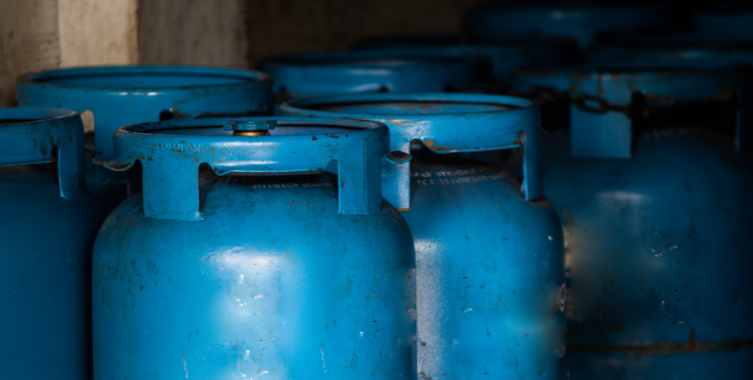
Every day, institutional kitchens prepare nutritious meals for children. Many of these kitchens continue to depend on LPG for cooking, leading to recurring fuel costs, carbon emissions, and challenging working conditions for cooks as well as for children. Access to clean energy can improve everyday life. The Clean Cooking Project was created to help hostels and residential institutions move towards cleaner, safer, and more sustainable cooking practices.
IEEE India Philanthropy works with institutions, Schneider Electric as a technical partner, and communities to demonstrate how clean energy solutions can improve daily operations while creating long-term social and environmental benefits.

Why Clean Cooking?

The Clean Cooking Project was started with a simple thought: can the same meals be cooked in a cleaner, safer, and more sustainable way? The answer was yes.
By using solar-powered induction cooking, the project helps reduce LPG use, lower fuel costs, and make kitchens cleaner and more comfortable for cooks. The goal is not just to change the way meals are cooked. It is to show how clean energy can improve daily life, support institutions, and encourage sustainable practices.

Creating Change Through Clean Energy

The project combines solar energy generation, battery storage, and induction cooking technology to provide a reliable alternative to LPG-based cooking. By harnessing solar power for daily cooking needs, institutions can:

Reduce dependence on conventional fuels

Lower operational costs over time

Improve kitchen safety and comfort

Reduce carbon emissions

Designed for Everyday Use, Learning and Expansion

How the System Works

Instead of LPG, the kitchen draws power from the sun. The setup includes:

A solar photovoltaic (PV) system to generate electricity

Battery storage to support cooking during peak hours

Induction stoves with compatible utensils

A solar inverter and real-time monitoring system

The system is tailored to the number of meals prepared each day and the kitchen’s size. Cooking routines remain the same, but the environment changes completely.

Designed for Everyday Use, Learning and Expansion

The initiative extends beyond the installations and the kitchen.

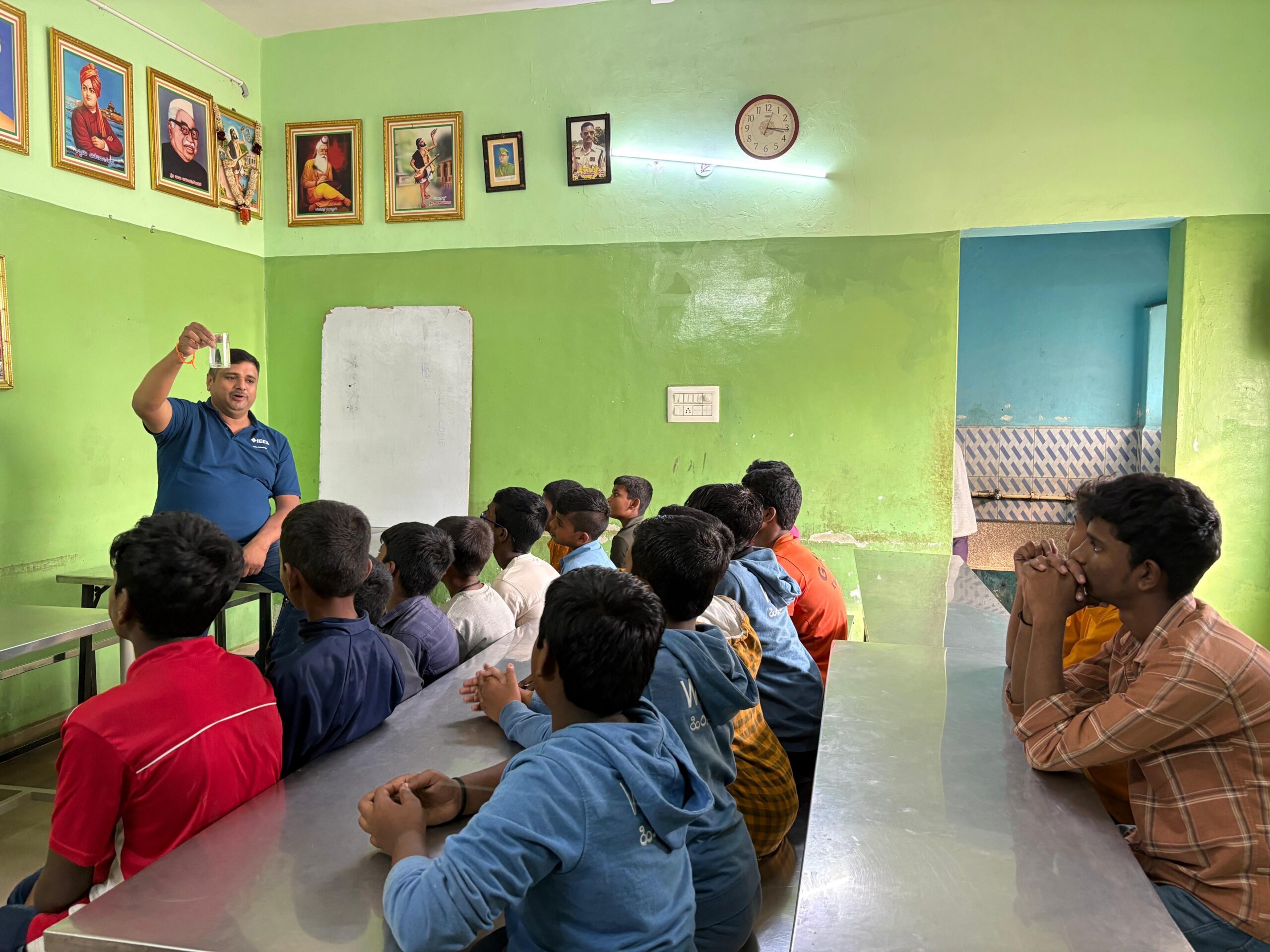
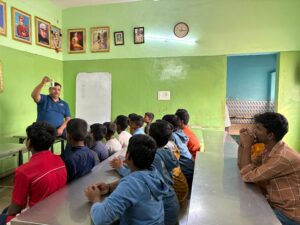
Each installation is complemented by hands-on STEM learning kits that introduce children to concepts such as renewable energy, climate change and sustainability through simple experiments and activities. By seeing a working solar-powered cooking system alongside STEM activities, children are able to connect classroom concepts with real-life applications, making science both engaging and relevant.

IEEE India Philanthropy’s clean cooking model combines engineering, education, and capacity building.

  • Renewable Energy Integration – Solar-powered induction cooking for cleaner and more energy-efficient institutional kitchens.
  • Institution-Centred Design – Systems designed around the needs of each institution.
  • Capacity Building – Practical training and continuous technical support for cooks and staff.
  • STEM Learning – Hands-on STEM kits that help children understand renewable energy and sustainability through experience.
  • Scalable Community Model – A proven approach that can be adapted across hostels, Anganwadis, residential schools, and other welfare institutions.

Building on the experience and learnings from the first phase at an BCM hostel, the initiative is now expanding to two ICDS Anganwadi centres in Bengaluru Rural in the second phase. This phase takes clean energy closer to the community, supporting centres that play an important role in the everyday nutrition and care of children and women. 

Creating Lasting Community Impact

The Clean Cooking Initiative demonstrates that renewable energy can do more than reduce fuel consumption. It improves kitchen environments, lowers operating costs, strengthens environmental sustainability, and becomes a practical learning source for children.

From a successful hostel-based pilot to implementation in Anganwadis, the initiative continues to evolve as a model that brings together engineering, clean energy, STEM education, and community development to create lasting impact.

Impact since November 2025, with one project

Students Benefited
0
kWh Clean Energy Generated
0
Rupees Fuel Cost Savings So Far
0 +
LPG Cylinder Saved Every Month
0
Kg CO₂ Emissions Avoided
0
Smoke-free and Safer Kitchen Environment
0

What Has Changed?

First Implementation at BCM Hostel 45, Vijayapura

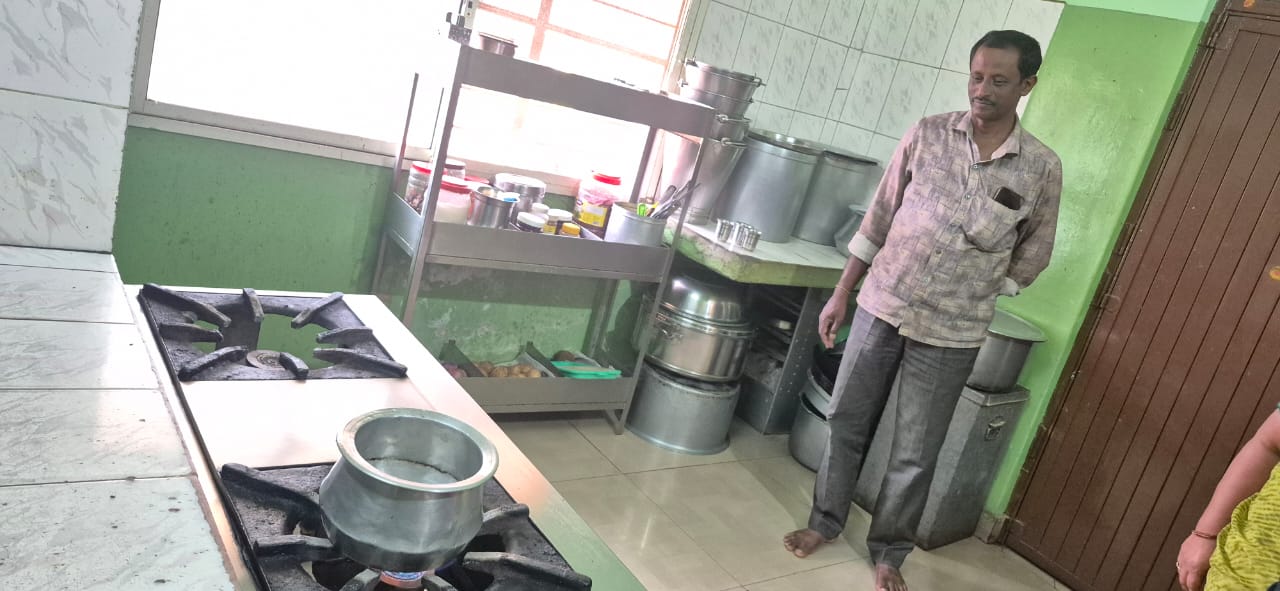
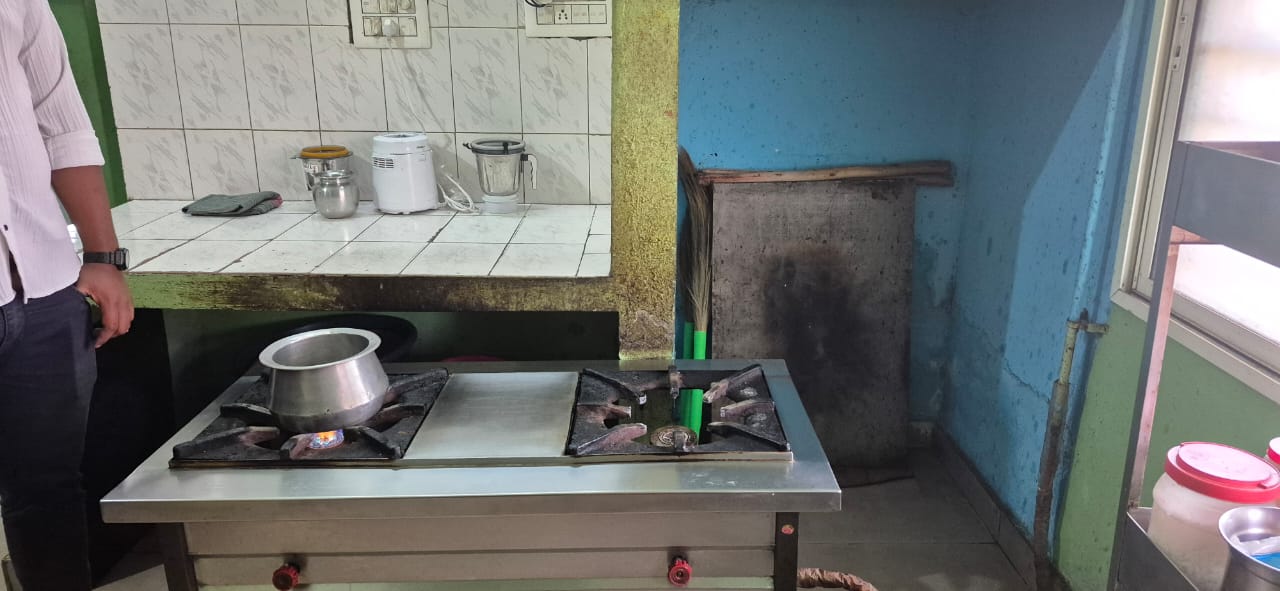
The first Clean Cooking Project was implemented at BCM Pre-Matric Boys Hostel in Vijayapura, where meals are prepared daily for 50 students. The hostel kitchen now uses a solar-powered cooking system that supports daily meal preparation while reducing dependence on LPG. The project demonstrates how a simple act of cooking can reduce environmental impact. The model can be adapted and scaled for more schools, hostels, and institutional kitchens based on their size and energy needs.

Want to be part of the change?

IEEE India Philanthropy welcomes partnerships with governments, CSR organisations, and foundations to expand clean cooking solutions that improve institutional sustainability while inspiring the next generation to understand and embrace renewable energy.

Contact: [email protected]

Our Stories of Impact

Initially, even after the training session, I was hesitant to use the induction stove. However, once I started using it, I found it simple, efficient, and suitable for preparing all our regular meals, including fritters. The timer feature allows me to focus on other kitchen tasks while cooking. Unlike LPG stoves, which can produce smoke and discomfort while cooking for long hours, induction cooking is clean and comfortable. I am happy with the experience and would recommend this system to other institutions. –  Hostel cook

Moments to Cherish