
IEEE SA Experiential Program on Sustainability Standards (EPSS)

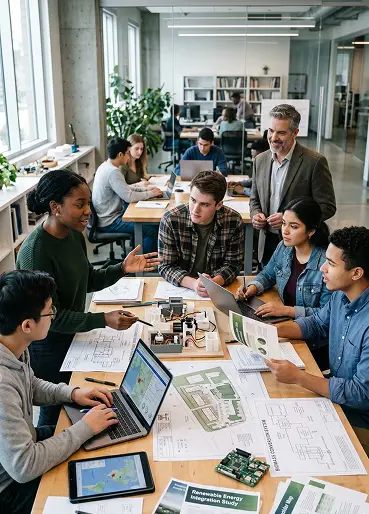
The IEEE SA Experiential Program on Sustainability Standards brings together some of the future’s brightest and most resilient minds with trusted, real-world technical leaders and experts to encourage and embolden innovative ideas to address sustainability challenges.

University students benefit through focus on clear, real-world problems while developing the capacity to consider implications and implementations that may scale from local to global, while maintaining the necessary context to continue reflecting the impact from global to local; all the while experiencing the effects of market dynamics. The skills earned by the students are reflective of those that are core to collaboration, global perspective, ideation, earning mindshare, negotiations, product development, and innovation at the level of ecosystems – all key tenets of standardization.

Themes to get Inspired from

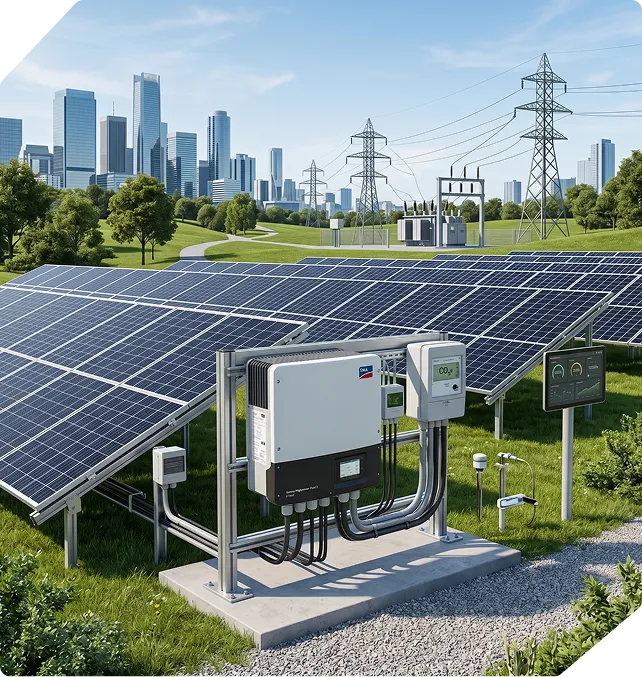
Clean Energy & Grid Integration

Sustainable Urban Infrastructure

Electric Mobility & Battery Ecosystem

Biodiversity & Environmental Standards

Climate Action & Carbon Measurement

Responsible AI in Sustainability

Circular Economy & Waste Management

Sustainability Communication (Track B)

AI for Environmental Intelligence

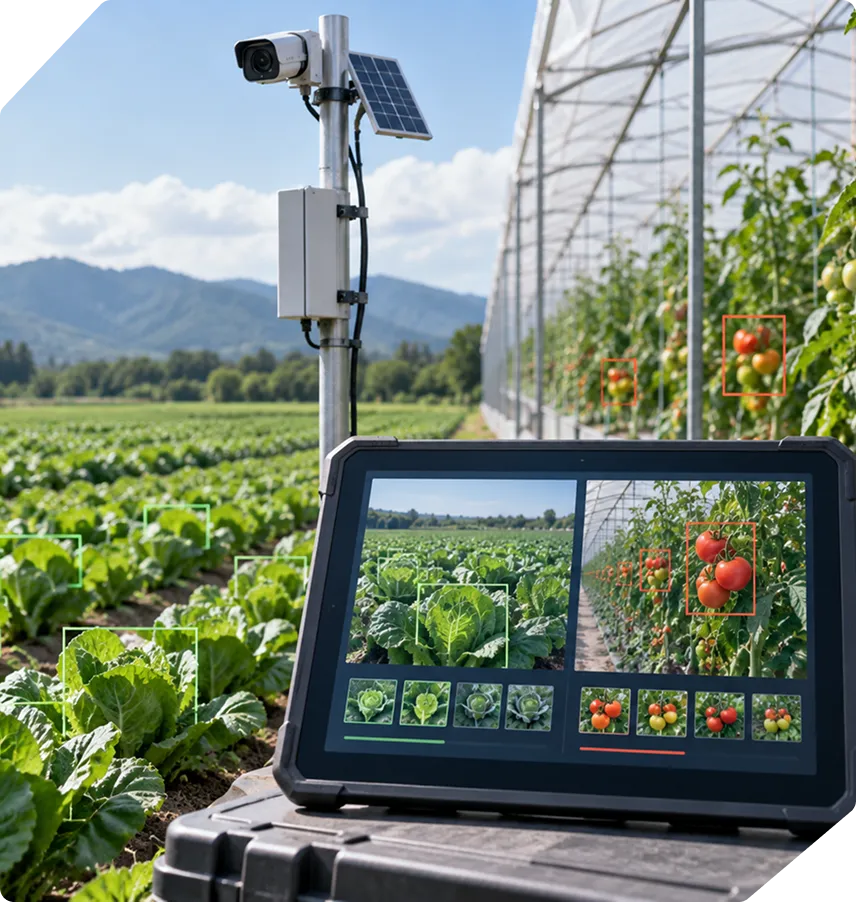
Precision Agriculture Data Standards

Program Phases

Program Kickoff

  • Introduction to IEEE SA — its mission, history, global impact, and how standards shape technology
  • Introduction to IEEE EPSS — program goals, expectations, tracks,
    and what success looks like
  • Reveal of challenge themes and detailed problem statements for
    each theme
  • Team formation — interdisciplinary teams of 5–6 students selected
    per track
  • Faculty and IEEE SA mentor assignment and role clarification
  • Expectations-setting session — deliverable timelines, milestone
    structure, and evaluation criteria
Team Charter (team members, roles, selected theme, initial hypothesis, faculty mentor confirmed) + Selected Theme Declaration

Problem Understanding

Independent team research with faculty oversight and first IEEE SA mentor check-in

  • Deep dive into the selected challenge — understanding scope, context, and complexity

  • Pain point analysis — what is broken, missing, or underserved in the current landscape?

  • 2–3 stakeholder interviews where possible (industry, NGO, government, or community voices)

  • Potentially organise a systems thinking workshop – understanding interconnected systems, feedback loops, and leverage points

  • Faculty and IEEE SA mentor check-in to validate research direction and refine focus

  • Review of existing relevant IEEE SA standards and global frameworks in the selected domain

Research Summary (3–5 pages) + Early Insight Summary (1 page), identifying key tensions or gaps discovered

Idea Development

  • Refine the problem statement based on research findings and
    stakeholder insights
  • Identify specific gaps in current standards, frameworks, or
    practices
  • Convert research insights into a structured problem framing document
  • Conduct gap analysis – what exists? What is missing? What could be done?

Deliverable: 1-page problem statement + gap identification document

  • Begin exploring 2–3 potential solution concepts or framework approaches Formulate hypothesis statements — what would need to be true for your approach to work?
  • Run an ideation session using structured creativity methods
  • Introduction to the standardization concept — how does an idea become a standard?
Deliverable: Solution draft outlining 2–3 concepts + initial canvas outline

Mid-Review with IEEE SA

Hybrid or In-Person – IEEE SA/Industry Review Panel

  • Students present mid-progress work and early concepts to IEEE SA reviewers and invited industry experts

  • Panel of IEEE SA members + sustainability experts provide
    structured critique and guidance
  • Expert feedback captured in a Feedback Log for team reference
  • Teams revise their direction, problem framing, and concept based on panel input

Revised Concept (updated based on panel feedback) + Feedback Log + Direction Update document

Solution Draft & Standardization Concepts

Each team produces a structured 3–5 page concept document following this template:

  • Problem Statement — clearly articulated challenge and why it matters
  • Stakeholder Map — who is affected, who must be involved in any
    solution
  • Gap Analysis — what frameworks, standards, or practices are missing
  • Proposal — what the team recommends as a framework, guideline, or
    approach
  • Required Data, Processes, or Guidelines — what would need to exist
    for the proposal to work
  • Impact Pathways — how the proposal would create change if adopted
  • Measuring Impact — how success would be defined and tracked

Final Development

  • Problem Statement — clearly articulated challenge and why it matters
  • Stakeholder Map — who is affected, who must be involved in any
    solution
  • Gap Analysis — what frameworks, standards, or practices are missing
  • Proposal — what the team recommends as a framework, guideline, or
    approach
  • Required Data, Processes, or Guidelines — what would need to exist
    for the proposal to work
  • Impact Pathways — how the proposal would create change if adopted
  • Measuring Impact — how success would be defined and tracked
  • Final concept document (3–5 pages)
  • Draft slide deck (10–12 slides)
  • Poster design / video / innovative presentation format
  • Team summary for IEEE SA review

Demo Day at IEEE India Office, Bengaluru

In-Person Showcase at the IEEE India Office, Bengaluru — Invited groups including IEEE SA leadership, industry guests, faculty, and peer teams.
  • Final presentations: each team presents to IEEE SA leadership and invited industry guests
  • Poster showcase — all teams display their visual work
  • Q&A with judges — structured questioning from a panel of IEEE SA members and industry experts
  • Award ceremony — three award categories: Most Innovative Idea, Highest Impact Potential, Best Standardization Potential
  • IEEE India Office tour — exposure to the global standards organization in action
  • “Talk with IEEE SA Leaders” session — informal Q&A with IEEE SA leadership
  • Networking with IEEE SA members, industry guests, and peers (hybrid format for remote participants)
  • Identification of projects with potential for IEEE SA working group exploration

Benefits Across the Experiential Program on Sustainability standard Ecosystem

IEEE SA Global Branding

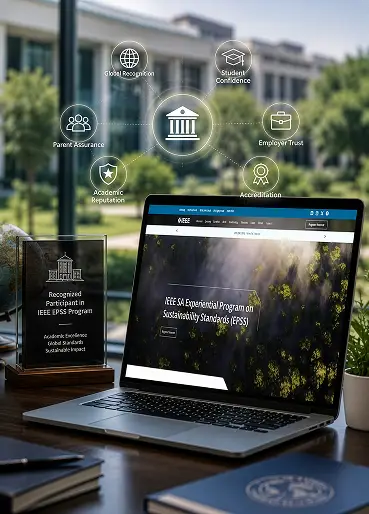
Your institution will be recognised on our India Operations website as a participant in the IEEE Experiential Program on Sustainability standard program – globally recognized association that enhances credibility with students, parents, employers, and accreditation bodies.

Scalable Annually

A successful pilot creates the foundation for expanding EPSS across departments and integrating it as an annual cohort – providing institutional continuity and growing prestige.

Industry –Academia Linkage

EPSS provides a structured, repeatable, and credible model for industry-academia collaboration – not a one-off guest lecture, but a sustained engagement with a world-class professional body.

Research Translation Pathway

Student concept documents and frameworks can serve as starting points for student or faculty research or publications.

AI Program

NEP 2020

NEP 2020 explicitly mandates experiential learning, inquiry-based approaches, real-world projects, and industry partnerships. EPSS fulfills all four mandates simultaneously in a single structured program that can be formally integrated into the academic calendar.

Students can receive project, internship, or experiential credit for EPSS participation where institutionally feasible.

NAAC

NAAC assesses institutions on Criterion II (Teaching-Learning and Evaluation) and Criterion III (Research, Innovations and Extension). EPSS contributes measurable outcomes to both – documented industry collaboration, real-world project outputs, and student exposure to global governance processes.

NIRF

NIRF Rankings consider industry income, research output, and graduate outcomes. EPSS improves your institution's standing across all three – through the IEEE SA partnership, student project outputs, and internship/career pathways for graduates.

Faculty Benefits

  • Recognition as a faculty coordinator for an IEEE SA-certified program – a significant professional credential
  • Opportunities to network with EEE SA mentors and global standards experts -expanding professional network
  • Exposure to how real-world governance frameworks are built directly enriches teaching
    and research
  • Spotlight feature on IEEE India Operations platforms for contributing faculty
  • Priority access to future IEEE SA faculty-facing initiatives, workshops, and programs

Real-World Project Exposure

Students work on genuine, open-ended challenges – not textbook exercises. They produce portfolio-ready outputs that demonstrate professional capability to employers.

IEEE SA Certificate of Participation

Every participating student receives an official IEEE SA Certificate of Participation – globally recognized and resume-ready.

IEEE SA Sustainability Fellow Recognition

Selected high-performing students are recognized as IEEE SA Sustainability Experiential Learning Fellows – a distinction that stands out in any professional context.

Mentorship from Global Experts

Direct mentorship from IEEE SA experts and industry practitioners – exposure that most students never receive during their academic journey. 2–3 structured touchpoints, plus on-demand advisory support.

Demo Day Presentation Experience

Presenting to a panel of industry experts and IEEE SA leadership at the IEEE India Office in Bengaluru -real-time pressure, real-time feedback, real professional exposure.

Global Networking

Students connect with IEEE SA members, industry guests, and peers from other institutions. These relationships open doors that classroom learning cannot.

Visibility on IEEE SA Platforms

Winners and selected participants are featured on the IEEE SA/ IEEE India Operations LinkedIn platform and website – increasing professional visibility at the start of their careers.

Invitation to Observe Working Groups

Top performers are invited to observe active IEEE SA working group meetings -a rare and genuinely career-differentiating experience.

Potential Internship Pathways

High-performing students gain priority access to IEEE SA internship opportunities in research, communications, brand awareness, and outreach.

Employability & Entrepreneurship

EPSS graduates have documented experience in technology governance, systems thinking, stakeholder analysis, and framework development – skills employers consistently rank among the hardest to find.

Industry Skills Delivered By Experiential Program on Sustainability standard Program

Systems Thinking

Structured problem framing on real, complex, multi-stakeholder sustainability challenges.

Governance Literacy

Direct exposure to IEEE SA’s standards ecosystem and governance processes throughout the program.

Soft Skill Development

Development of soft skills through the IEEE SA Experiential Program on sustainability standards.

Stakeholder Management

Stakeholder mapping, ecosystem analysis, and interview exercises as core program activities.

Interdisciplinary Collaboration

Mixed-background teams deliberately formed across disciplines, mirroring real professional environments.

Self-driven Research

Independent research phases with mentor check-ins - not spoon-fed lab work or guided exercises.

Global Awareness

Exposure to international standards frameworks, global governance systems, and cross-border sustainability challenges.


Hear From The IEEE SA Leadership

Guided By Industry Experts

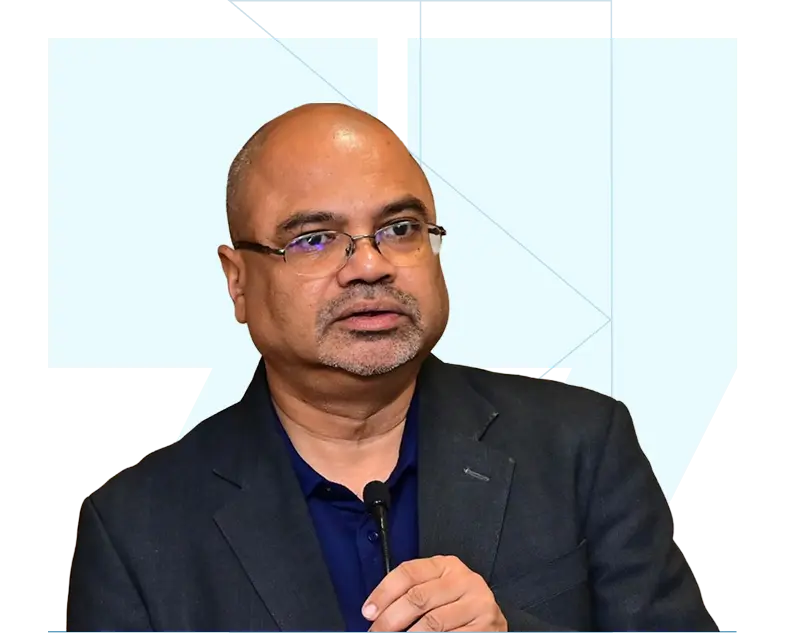
Sri leads IEEE’s business operations in India and the Global Foundational Technologies Practice at IEEE Standards Association. His work focuses on standardization programs in emerging technologies, cybersecurity, identity, and privacy.

Sri Chandrasekaran

Country Head & Sr Director, IEEE India
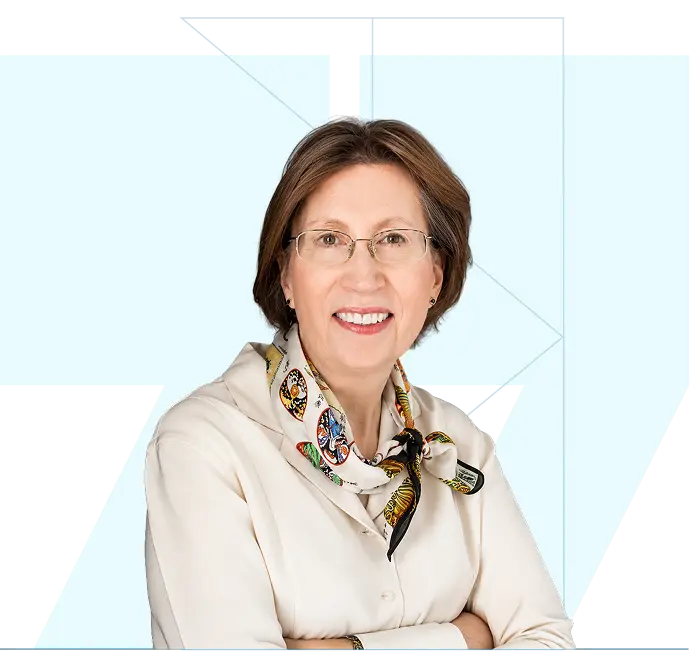
Maike Luiken is a member of the IEEE Standards Association Board of Governors and Chair of IEEE Planet Positive 2030. She is a long-time advocate for sustainable development and the use of technology to create a more sustainable planet.

Maike Luiken

Vice President, IEEE SSIT | Chair, IEEE Planet Positive 2030
Karen Mulberry is a technology policy and standards leader with over 25 years of experience spanning technology, public policy, standards development, and global stakeholder engagement. She leads strategic initiatives focused on emerging technologies, standards, regulation, and government engagement.

Karen Mulberry

Sr Manager, Technology Policy and International Affairs, IEEE SA
Maria leads the Healthcare and Life Sciences Global Practice at IEEE Standards Association, advancing initiatives that support responsible technology implementation and sustainable access to quality care and nutrition.

Maria Palombini

Global Director, Healthcare and Life Sciences Practice, IEEE SA
Munir drives initiatives that bring together executives, policymakers, and industry leaders to shape the future of AI, cybersecurity, and emerging technologies. He specializes in standards-driven innovation and global stakeholder engagement.

Munir Mohammed

Sr. Product Manager, IEEE SA
Rudi Schubert leads new initiatives and the Energy Practice at IEEE Standards Association. He oversees programs focused on sustainability, renewable energy, autonomous systems, big data, and next-generation vehicle technologies.

Rudi Schubert

Director, New Initiatives, IEEE SA
Karen McCabe leads global technology policy initiatives that foster collaboration among governments, industry, NGOs, and international organizations. Her work focuses on sustainability, climate action, digital transition, AI systems, and global standards.

Karen Mccabe

Senior Director, Technology Policy, IEEE SA

Guided By Industry Experts

Meet The Teams

Wi-Fi (IEEE 802.11) — the global wireless networking standard used by billions of devices.

Ethernet (IEEE 802.3) — the backbone of wired networking worldwide.

IEEE 1547 — the standard for connecting distributed energy resources (solar, wind) to the grid.

IEEE 7000 series — ethics and responsible innovation in autonomous and AI systems.

IEEE 11073 series — on health informatics: health device communication standards enable communication between medical, health care and wellness devices.

IEEE 2413 — architectural framework for the Internet of Things (IoT).

IEEE 3469 — standard that defines a process model for environmental liability (e-liability) accounting in systems engineering, covering carbon emissions across entire supply and value chains.

Wi-Fi (IEEE 802.11) — the global wireless networking standard used by billions of devices.

Ethernet (IEEE 802.3) — the backbone of wired networking worldwide.

IEEE 1547 — the standard for connecting distributed energy resources (solar, wind) to the grid.

IEEE 7000 series — ethics and responsible innovation in autonomous and AI systems.

IEEE 11073 series — on health informatics: health device communication standards enable communication between medical, health care and wellness devices.

IEEE 2413 — architectural framework for the Internet of Things (IoT).

IEEE 3469 — standard that defines a process model for environmental liability (e-liability) accounting in systems engineering, covering carbon emissions across entire supply and value chains.

About IEEE and IEEE SA

IEEE (Institute of Electrical and Electronics Engineers) is the world’s largest technical professional organization, with over 500,000+ members across 190+ countries. IEEE advances technology for the benefit of humanity through publications, conferences, education, and standards – and is widely regarded as the most authoritative body in engineering and technology globally.
The IEEE Standards Association (IEEE SA) is the standards-development arm of IEEE, responsible for developing, publishing, and maintaining open, market-relevant technical standards. IEEE SA has shaped the technologies that define modern life:

IEEE SA Global Impact Areas

Protecting children's data and digital rights

Accelerating innovation

Promoting technology Governance

Advancing global technologies

Leading change for human values and ethical consideration

Driving sustainable solutions for a planet-positive future

Building bridges between policymakers, government, and institutions

Protecting children's data and digital rights

Accelerating innovation

Promoting technology Governance

Advancing global technologies

Leading change for human values and ethical consideration

Driving sustainable solutions for a planet-positive future

Building bridges between policymakers, government, and institutions

Shape Sustainable Innovation With IEEE SA Experiential Program on Sustainability standard